About Carina
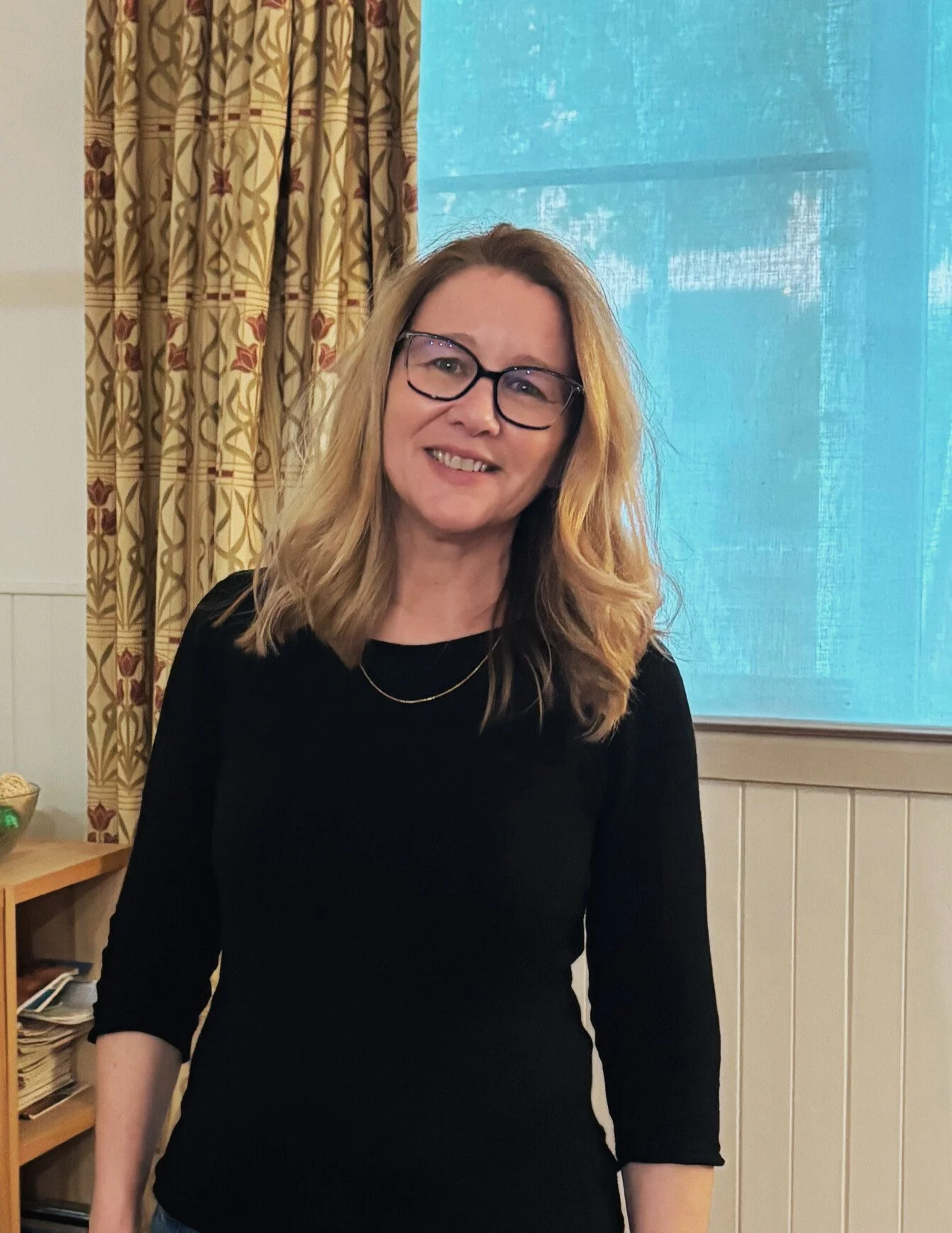
I’m a strategist, evaluator, and facilitator with over 25 years’ experience helping people turn good ideas into meaningful change. My work spans program design, evaluation, and learning across government, community, and not-for-profit sectors — always with a focus on clarity, collaboration, and impact.
Over the years, I’ve worked on everything from national strategies to local projects run on passion and small budgets. I’ve also spent many hours volunteering — with environmental groups, reconciliation networks, and local school communities — where I’ve seen firsthand how powerful community-driven projects can be, and at the same time, how challenging it can be to plan and deliver them without the right support.
That’s why I created Project: CreateChange — to make project design simple, accessible, and effective for small teams doing important work. Using thoughtful facilitation and AI-enabled tools, we help you get clear on purpose, confident in your plan, and ready to take action.
Good ideas deserve the chance to grow — and the right support can make all the difference.
Carina Calzoni
About the approach

I am a strong believer that small teams can achieve big things with the right support. I work alongside you to keep planning simple, clear, and affordable — no jargon, no unnecessary complexity.
Together, we’ll uncover your project’s purpose, map the activities to outcomes, and focus your energy where it will have the greatest impact.
My role is to guide the process, with the support of an AI co-facilitator, to ask the right questions and build your team’s confidence so you can deliver meaningful change, strengthen your case for grant funding, and keep building on your success.
What is Outcome Mapping and why matters
Outcome Mapping is at the heart of Project: CreateChange.
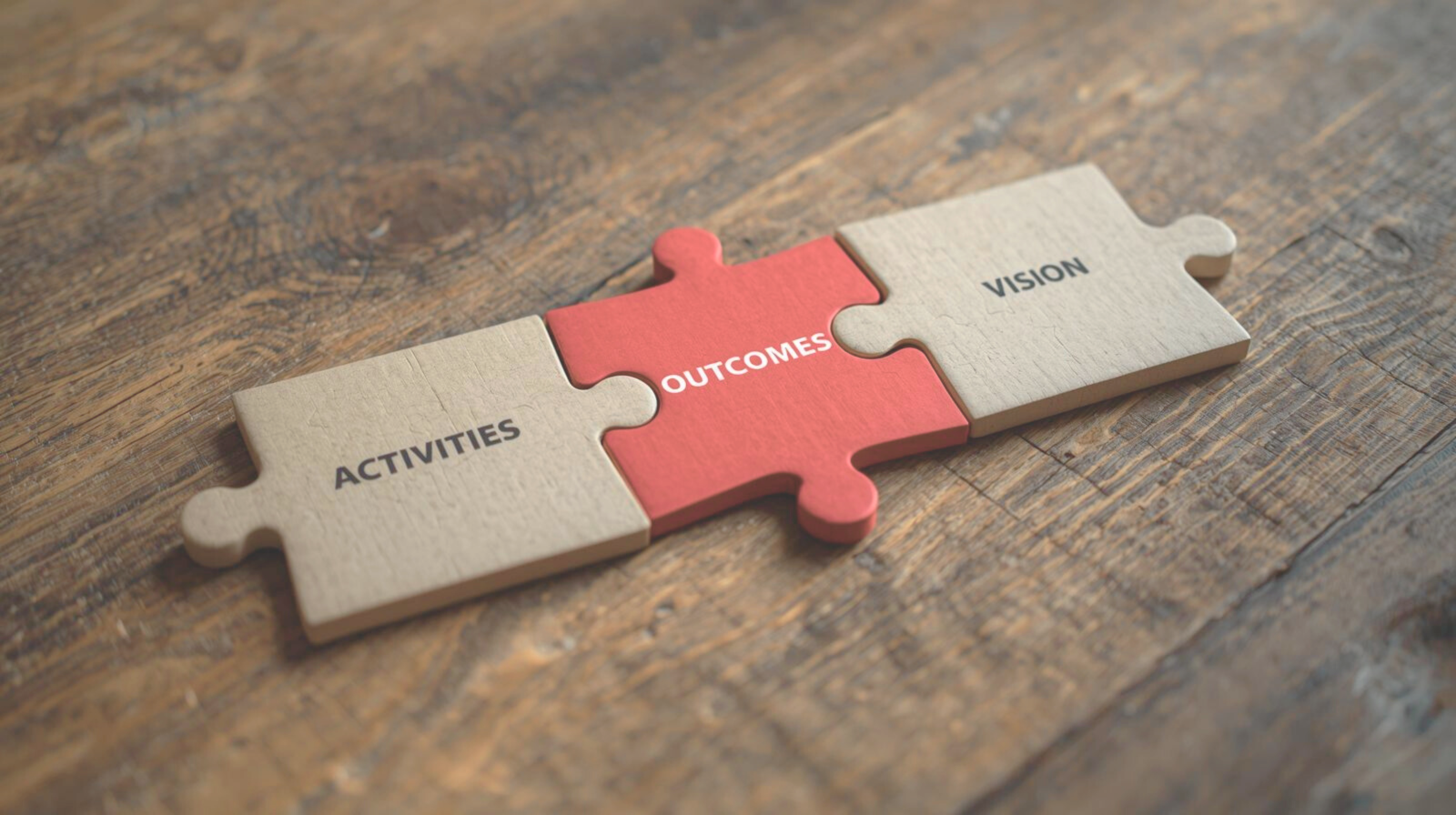
It is a simple but powerful thinking tool that shows how a project will actually lead to impact. It bridges the gap between an organisation’s vision and the day-to-day work it delivers – it’s what I call the missing middle.
Many community groups know the change they want to see, and they know the activities they can run — but the connection between the two is rarely clear. Without a structured way to show how their work contributes to their broader purpose, projects risk becoming a list of tasks rather than a pathway to meaningful impact.
Outcome mapping gives teams a way to articulate the logic behind their work: what problem they are addressing, what change they are aiming for, and how their activities will realistically make that change happen.
It also strengthens a project’s credibility with stakeholders, funders and partners.